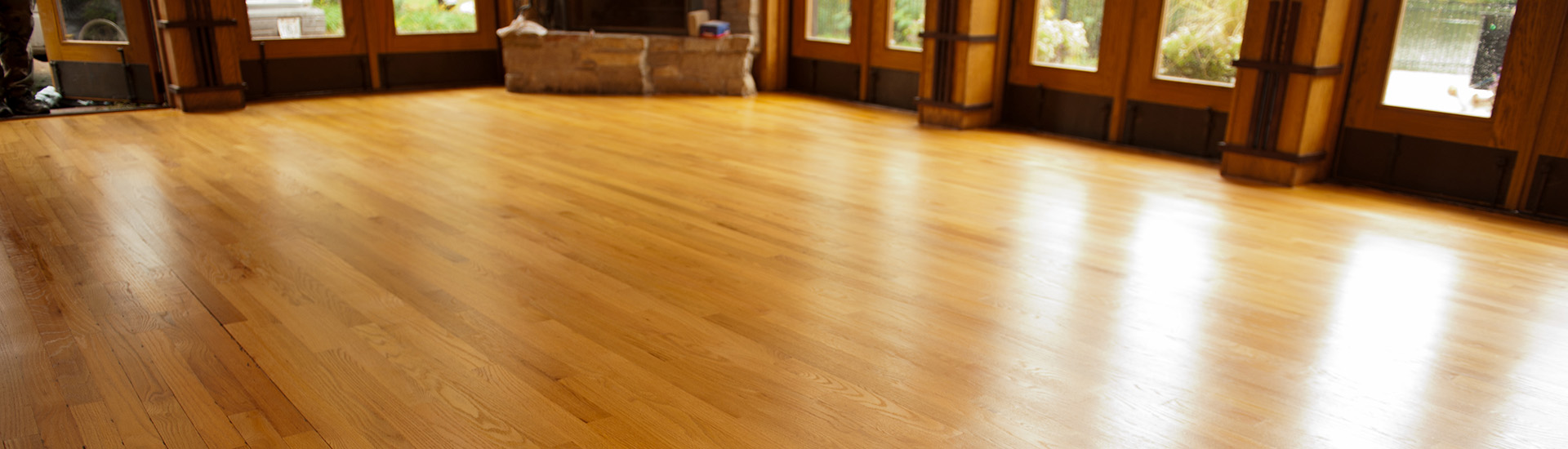
Water damage restoration is the process of repairing and restoring property that has been affected by flooding, leaks, or moisture intrusion. Whether caused by burst pipes, heavy rain, or appliance malfunctions, water damage must be addressed quickly to prevent structural problems and mold growth. Professional water damage restoration services are essential to fully dry, clean, and restore your home or business.
1. Identifying the Source and Extent of Damage
The first step in water damage restoration is finding the source. This might include broken plumbing, roof leaks, or foundation seepage. Professionals assess the affected areas using moisture meters and infrared cameras to determine how far water has spread, including behind walls and under flooring.
2. Water Extraction and Drying
After the source is controlled, water damage restoration experts remove standing water using pumps and vacuums. Industrial fans and dehumidifiers are then used to dry the area thoroughly. This step is critical because moisture left behind can cause mold growth and long-term structural damage.
3. Cleaning and Sanitizing
Surfaces affected by water must be cleaned and disinfected. Water damage restoration includes removing contaminated materials such as drywall, carpeting, or insulation. Technicians use antimicrobial treatments and air scrubbers to ensure indoor air is safe and surfaces are sanitary.
4. Structural Repairs and Restoration
After drying and cleaning, water damage restoration continues with repairing any damaged components. This can include replacing drywall, repainting, installing new flooring, or restoring cabinetry. The goal is to return the area to its original condition—or better—while ensuring it is safe and secure.
5. Preventing Future Water Damage
A key part of effective water damage restoration is addressing the root cause. Professionals may recommend improved drainage, sump pumps, waterproofing, or plumbing updates to prevent recurring issues. Long-term prevention protects your home from repeat water intrusions.
Conclusion
Water damage restoration is not just about drying out a room—it’s a comprehensive process that includes assessment, extraction, sanitation, repairs, and prevention. Fast action is critical to avoid secondary damage like mold or rot. Hiring skilled professionals ensures your property is restored safely, thoroughly, and efficiently.